BOBA DIY™: Tasty Tea Simulator
- 4.5
- Rating
- 50.00M
- Installs
- Free
- Price
 Analysis by App-foxy
I found BOBA DIY™: Tasty Tea Simulator easy to understand from the first moment: choose toppings, build a colorful drink, and enjoy the result. That simple idea makes it a relaxing casual game rather than something that demands planning, fast reactions, or a long explanation before you can start. I can see why it has attracted a 4.6 average from around 269 thousand ratings and more than 50 million installs. It is free, suitable for Everyone, and developed by HIGAME GLOBAL, so it is clearly aimed at a broad audience.
What interested me most was not whether it could replace a deep simulation game—it cannot—but how comfortable it feels in different everyday situations. I tested it as the kind of game I would open while waiting for an appointment, showing it to a child, or sharing the screen with a friend. Its strongest quality is its low pressure. Its main weakness is the same thing: once the novelty of making drinks fades, there is not much complexity to keep a demanding player engaged.
How clearly the drink-making experience communicates
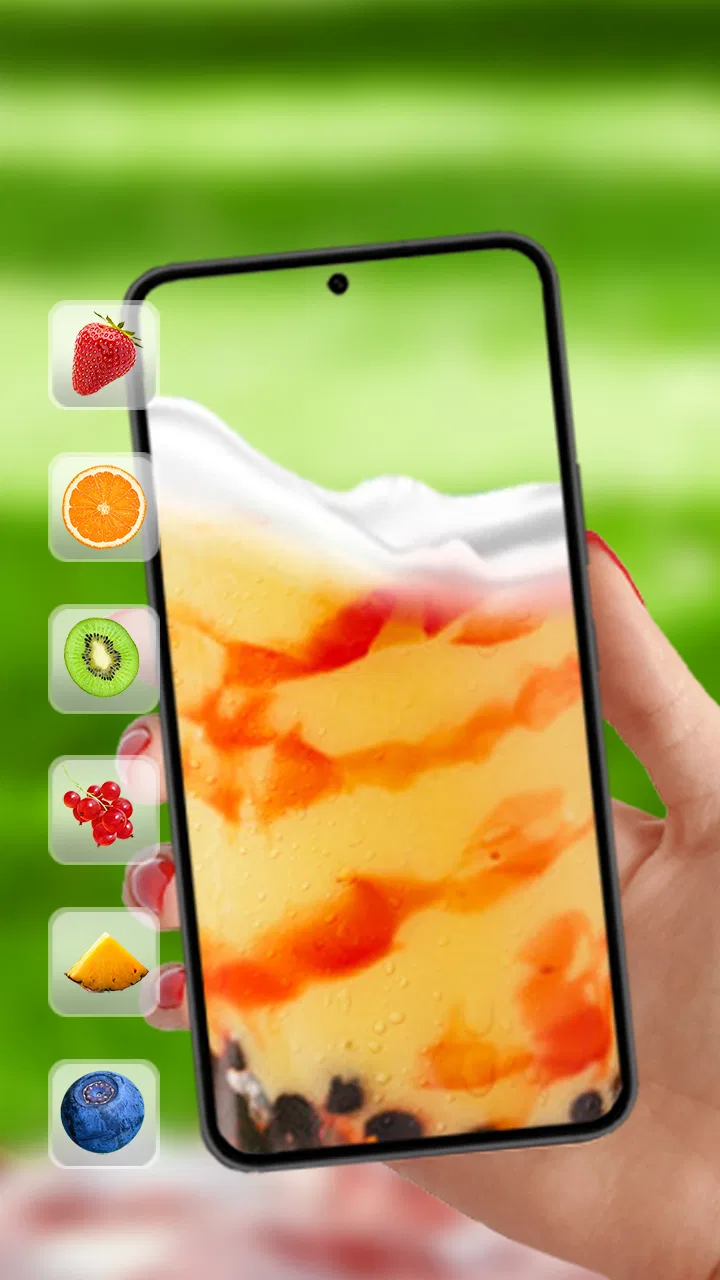
The game’s central interaction is immediately readable. You are presented with the idea of assembling a boba drink, and the visual focus stays on the cup and the ingredients. I did not need to learn a complicated menu or remember a chain of commands. That matters for younger players, casual users, and anyone who prefers games that explain themselves through pictures rather than long instructions.
You May Also Like

 Blood Strike: 2.5 Anniversary
Blood Strike’s Loadouts Turn Every Drop Into a Tactical Gamble
A close look at Blood Strike’s custom loadouts: how fast access to signature weapons reshapes its battle royale rhythm, rewards preparation, and narrows the gap between fights.

 Pandora - Music & Podcasts
Pandora’s Music Is Easy to Start, but Harder to Recover
Pandora’s strength is its low-effort path from a seed to a station. Its weak spot is how much confidence it asks you to place in connection, setup, and quiet recovery.

 8 Ball Pool
 Is Built on Rivalries, Rematches, and Routine
A close look at the rivalries, rematches, shared routines, and unanswered safety questions that turn a quick pool match into a persistent mobile community.

 Samsung Music
’s Quiet Strength Is Playing What You Already Own
Its reach comes less from spectacle than from dependable access to a personal library. That simplicity is both the app’s strongest retention engine and its ceiling.

 AccuWeather: Weather Radar
AccuWeather Review: A Quick, Clear Forecast for Everyday Decisions
For everyday plans, the best forecast is the one you can understand quickly. AccuWeather makes rain timing, radar, and local conditions easy to act on, with a few trade-offs.

 Hill Climb Racing
Why Hill Climb Racing Still Turns Crashes Into One More Run
A tiny car, a bumpy hill and one more upgrade: Hill Climb Racing keeps resurfacing because its simple chaos makes every near-miss feel personal.
More From Our News Desk
View All News


The bright presentation also helps the basic goal stand out. Toppings are easier to understand when they are shown as recognizable food items instead of being hidden behind technical labels. In practice, this makes the game approachable for someone who may not regularly play mobile games. A friend can pick it up, watch one round, and understand the appeal without asking what every button does.
Navigation is best understood as a short path from choosing ingredients to seeing the finished drink. That limited structure reduces mental load, especially compared with casual games that place several currencies, missions, upgrade screens, and timed tasks around the main activity. Here, the experience feels closer to a digital craft activity than a conventional challenge game.
That simplicity is useful, but it also creates a readability trade-off. A player looking for detailed explanations, recipe information, or a clear sense of long-term progression may find the experience too light. The game communicates the immediate action well, yet it is not designed to teach a complex system. I would recommend it to someone who values instant understanding, not to someone who wants a detailed interface to explore.
Why the visual approach works for short sessions
I think the visual design is particularly effective when the phone is being used in a noisy or distracting place. If I am waiting in a queue, I do not want to read a long tutorial before getting started. The drink-building idea is visible enough that I can return to it after a short interruption without having to reconstruct a complicated objective.
This also makes it suitable for shared play. One person can suggest a topping while another handles the phone, turning the game into a small social activity. It is not multiplayer in the way a competitive game is, but the design supports conversation: “Try that topping,” “Make it more colorful,” or “Show me the final drink.” That kind of informal participation is one of its more appealing uses.
For players with reading difficulties, the reliance on visual choices may be more comfortable than a text-heavy casual game. I would still avoid assuming that every screen is equally easy for every reader, because visual clarity depends on contrast, size, and the amount of detail on the display. My practical advice is to try it on the device that will actually be used, especially if a child or older relative is the intended player.
Motor demands are gentle, but not automatically effortless
BOBA DIY is not built around rapid tapping, precise combat movement, or complicated combinations. That makes it a calmer option for people who prefer low-pressure interactions. Someone with limited gaming experience can experiment with the ingredients without worrying about losing because a reaction was too slow.
Even so, casual does not mean universally effortless. Any game that asks a player to select or manipulate items on a touchscreen can be uncomfortable for someone with reduced precision, tremors, joint pain, or difficulty maintaining a steady grip. The usefulness of the experience will depend on how forgiving the particular interaction feels on the player’s phone. I would treat it as a low-demand game, not as a guaranteed accessible activity.
A useful way to play is to hold the phone on a stable surface instead of trying to manage it one-handed. That reduces the need to grip the device while making selections. It also helps when the game is being shared with someone who needs more time to decide. In a family setting, I would let the player choose the pace rather than taking over the screen; the game’s relaxed structure makes that easy.
Another practical advantage is that the game does not require the player to maintain a complicated physical routine. There is no reason to rush through the drink simply because another action is approaching. For users who become uncomfortable with timed pressure, that difference can matter more than visual polish.
Sensory comfort depends on the player and the setting
The colorful food theme is inviting, but saturated colors and animated drink preparation will not feel equally comfortable to everyone. Some players enjoy strong visual feedback because it makes each choice feel rewarding. Others may find busy colors tiring, particularly during a long session or in a dark room.
I would use a simple rule: play with the screen brightness at a comfortable level, take breaks, and stop if the visual effects begin to feel tiring. This is ordinary device advice rather than a claim about a special setting in the game. The important point is that the game’s appeal comes from presentation, so players who prefer restrained visuals should try a short session before deciding whether it suits them.
The boba theme is also a strength for players who enjoy food decoration and a possible weakness for anyone who wants a broader range of subjects. Every choice is framed around making a drink, so the experience has a clear identity. I like that focus, but it means the game will not satisfy someone searching for puzzles, storytelling, or a more varied creative tool.
Using it in real situations
The most convincing use case for me is a short waiting period. Imagine sitting in a café while a friend is ordering, or waiting for a bus with only a few minutes to spare. I can open the game, make a drink, finish a small interaction, and put the phone away without feeling that I have abandoned a larger mission. That makes it more practical than casual games that punish interruptions or need a long session to become enjoyable.
It also fits a relaxed family moment. A parent can let a child choose ingredients while asking questions about colors and flavors. An older family member who does not play games may understand the visual goal quickly enough to participate. The activity is not educational in a formal sense, but it can encourage simple decision-making and conversation without turning play into a lesson.
For people who use games to settle down after work, the lack of intense competition is a clear benefit. I would choose it over a reflex-based arcade game when I want something visually pleasant and undemanding. On the other hand, if I need a game to keep my attention during a long journey, I would bring a more substantial alternative as well. The short-session strength becomes a limitation when there is a lot of uninterrupted time to fill.
It is also worth considering the social context. The store summary presents the drink-making idea as something to enjoy with friends, and I think that works best as pass-the-phone play rather than as a serious competitive match. Friends can compare their choices or react to the finished drinks, but the fun comes from the shared joke and customization, not from proving who has the better score.
Where it sits among casual alternatives
Compared with match-three games, this is less demanding and less goal-driven. A match-three title usually asks me to plan moves, manage limited turns, or chase a score. BOBA DIY gives me a more direct creative action. I would choose the boba game when I want to make choices without solving a board.
Compared with cooking simulators, it is much lighter. Cooking games often introduce recipes, timing, orders, upgrades, or customer expectations. Here, the pleasure is in assembling the drink rather than managing a kitchen. That makes this game easier for a first-time player, but it also means there is less room for mastery.
Compared with coloring or drawing apps, it offers a more guided form of creativity. I am not starting with a blank canvas; I am working within the recognizable structure of a boba drink. That can be reassuring for someone who feels stuck when given unlimited choices. A user who wants complete artistic control would probably prefer a drawing app instead.
These comparisons helped me understand the right expectation. This is not a full food simulation, a puzzle challenge, or an art program disguised as a drink game. It is a focused casual activity that uses familiar ingredients and a cheerful result to make a few minutes feel enjoyable.
What may still get in the way
The biggest barrier is limited depth. If I play repeatedly in one sitting, the basic loop can start to feel predictable. The absence of pressure is relaxing at first, but players who need goals, increasing difficulty, or a strong sense of achievement may quickly ask what comes next.
Another issue is that visual simplicity can be mistaken for universal accessibility. A clear picture does not solve every need. Players who rely on larger text, stronger contrast, alternative input methods, or reduced motion should check how the game feels on their own device rather than assuming that a casual design covers those requirements.
The game is free, which lowers the barrier to trying it, but free mobile games can still feel less comfortable for people who dislike interruptions or promotional elements. I would not make a firm assumption about how every session will feel; instead, I would test a few rounds and decide whether the presentation suits the player’s tolerance. This is especially important when introducing it to a child who may want uninterrupted play.
Device age can matter too. The current version is 0.30, and the game requires Android 8.0 or later. That makes checking the phone’s operating system a sensible first step for Android users. The stated Everyone content rating is reassuring for families looking for a broadly suitable theme, but parents should still supervise a child’s general mobile use rather than treating an age label as a complete substitute for that judgment.
Players who need a game that works well with sound off may also want to test it personally. The core idea is visual, so I can understand the activity without depending on a story or spoken instructions, but the overall comfort of a silent session depends on how much feedback the individual player expects. For someone who uses a phone in a library, waiting room, or shared bedroom, a brief trial is the most useful check.
Small habits that make the experience more inclusive
I would begin with a short session instead of handing the game to someone and expecting them to explore everything at once. Letting a player make one drink first reveals whether the visual scale, touch response, and amount of animation feel comfortable. This is a better approach than assuming that a simple interface will suit every person.
For shared play, I would keep the phone supported and give each person a clear turn. That helps players who need extra time and prevents the activity from becoming a race. It also preserves the game’s strongest quality: the feeling that experimentation is allowed.
For children, I would use the game as a conversation starter rather than as a reward system. Ask them why they chose a topping or what kind of drink they would invent. That keeps the focus on creative choice and avoids pushing the player toward endless repetition simply because the game is easy to reopen.
For adults who want a quiet break, I would set a natural stopping point after finishing a drink. The game works best when it remains a small pause in the day, not when I expect it to provide the variety of a longer adventure. This habit also makes its limited depth feel intentional rather than disappointing.
My inclusive verdict
After spending time with it, I see BOBA DIY™: Tasty Tea Simulator as a friendly, low-pressure choice for visual casual play. Its clear drink-making idea, gentle pace, and familiar theme make it approachable for new players, children with supervision, friends sharing a phone, and adults who want a brief distraction. The developer, HIGAME GLOBAL, has kept the central activity easy to grasp, which is exactly why the game works in short and interrupted sessions.
I would recommend it most strongly to people who enjoy decoration, food themes, and simple experimentation. It is also a reasonable option for players who avoid fast reflex games or complicated menus. The Everyone rating and free price make trying it straightforward, while the broad install base suggests that the concept has reached a large audience.
I would skip it if you want strategic depth, a demanding cooking system, a story, or a long-term challenge. I would also choose another option if you need confirmed support for a particular accessibility requirement, because a visually simple game is not automatically suitable for every motor, sensory, or reading need.
My final advice is to treat it as a small creative toy rather than a complete simulator. On that basis, it succeeds: I can open it quickly, understand what to do, make a playful drink, and share the result without pressure. Its best feature is the low barrier to joining in, while its clearest limitation is how quickly experienced players may want more to do. For a calm few minutes with a friend or family member, that balance is appealing.
FAQs for BOBA DIY™: Tasty Tea Simulator
01What is BOBA DIY™: Tasty Tea Simulator?
BOBA DIY™: Tasty Tea Simulator is a fun and interactive game that lets you create your own virtual bubble tea. You can choose from a variety of ingredients, flavors, and toppings to craft a personalized drink. The game is designed to simulate the experience of making boba tea, offering a creative outlet for tea enthusiasts.
02Is BOBA DIY™: Tasty Tea Simulator free to play?
Yes, BOBA DIY™: Tasty Tea Simulator is free to download and play. However, it may offer in-app purchases for additional features, ingredients, or customization options. These purchases are optional and enhance the gaming experience for those who wish to explore more content.
03What are the main features of BOBA DIY™: Tasty Tea Simulator?
The app offers various ingredients and flavors to mix and match, realistic graphics, and interactive gameplay. Players can also unlock new recipes and share their creations with friends. Additionally, the app includes challenges and mini-games to keep the experience engaging and enjoyable.
04Can I play BOBA DIY™: Tasty Tea Simulator offline?
BOBA DIY™: Tasty Tea Simulator typically requires an internet connection for downloading updates and accessing certain features, such as sharing your creations online. However, basic gameplay elements like creating drinks can be enjoyed offline after the initial setup.
05Is BOBA DIY™: Tasty Tea Simulator suitable for children?
Yes, the game is suitable for children as it promotes creativity and is free of inappropriate content. The interface is user-friendly, making it easy for younger players to navigate. Parents may want to supervise in-app purchases to ensure they are appropriate for their child's play.
Pros
- Fun and interactive drink-making experience.
- Wide variety of ingredients to choose from.
- Realistic sound effects enhance gameplay.
- Simple and intuitive user interface.
- Encourages creativity and experimentation.
Cons
- Limited drink recipes in free version.
- In-app purchases can be pricey.
- Ads are frequent and sometimes intrusive.
- No multiplayer or social sharing features.
- Occasional app crashes on older devices.

BOBA DIY™: Tasty Tea Simulator
Gallery